
Indian researchers from ICMR-National Institute for Research on Women's Health and IIT Bombay have developed an indigenous "placenta-on-chip" platform. This microphysiological system mimics the human placental barrier, reproducing essential functions like hormone production and nutrient transfer. It offers a simple, scalable tool for studying placental biology, pregnancy complications, and drug effects, aiming to reduce reliance on animal experimentation.

IIT Delhi, in collaboration with the University of Exeter, is developing cutting-edge sports technology, including wearable ultrasound sensors for injury prevention and helmets that can detect concussions in real-time, potentially revolutionising athlete safety and performance.

The Food and Drug Administration said its decision is based on new information, including clinical trial data results, that have led it to conclude that the drugs may not be effective to treat COVID-19 and that its potential benefits for such use do not outweigh its known and potential risks.
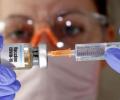
Medical experts have warned that the volume of vaccine available to fight the coronavirus or SARS-CoV-2 in coming years is expected to fall far short of global demand, despite an unprecedented effort to manufacture billions of doses.

Cambridge, Massachusetts-based Moderna's announcement comes just a week after Pfizer and Biontech said their COVID-19 vaccine candidate was found to be more than 90 per cent effective in preventing COVID-19 in participants.

The US move came after the Justice Department said that hackers working with the Chinese government targeted firms developing vaccines for the coronavirus and stole hundreds of millions of dollars worth of intellectual property and trade secrets from companies across the world.
